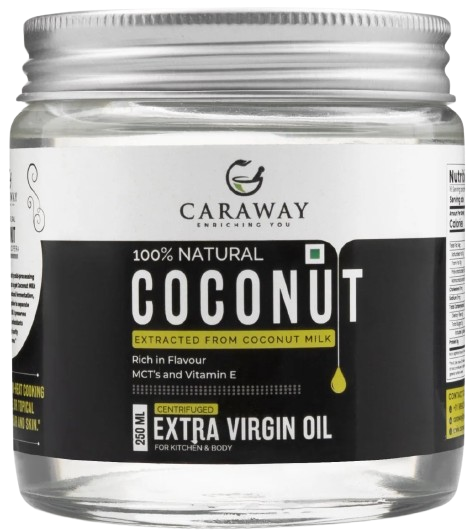
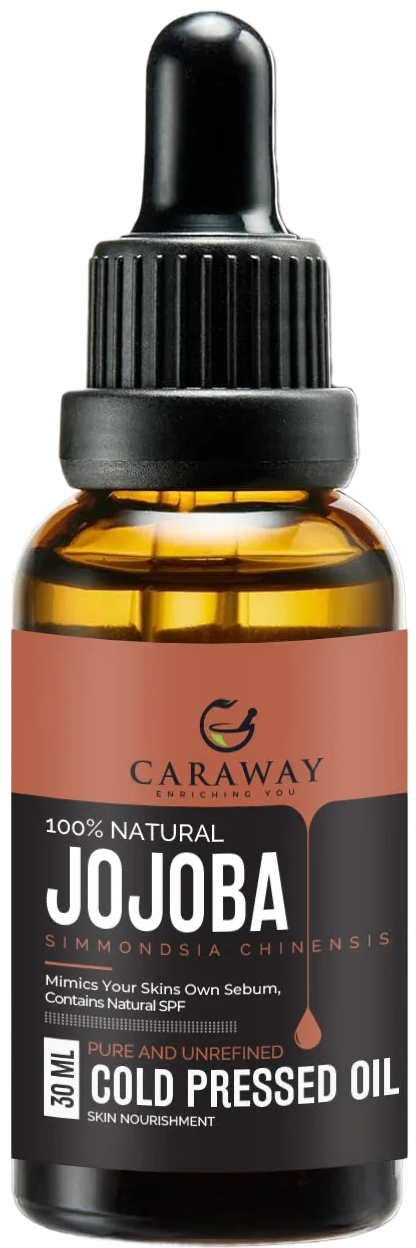
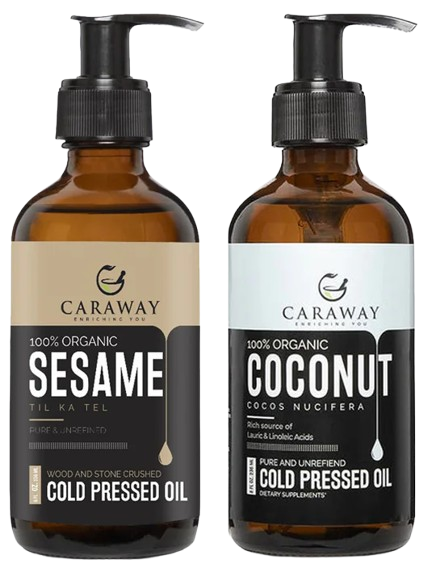
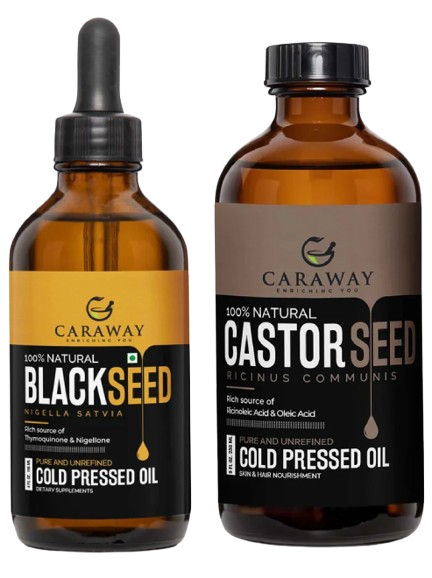
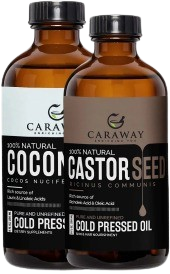
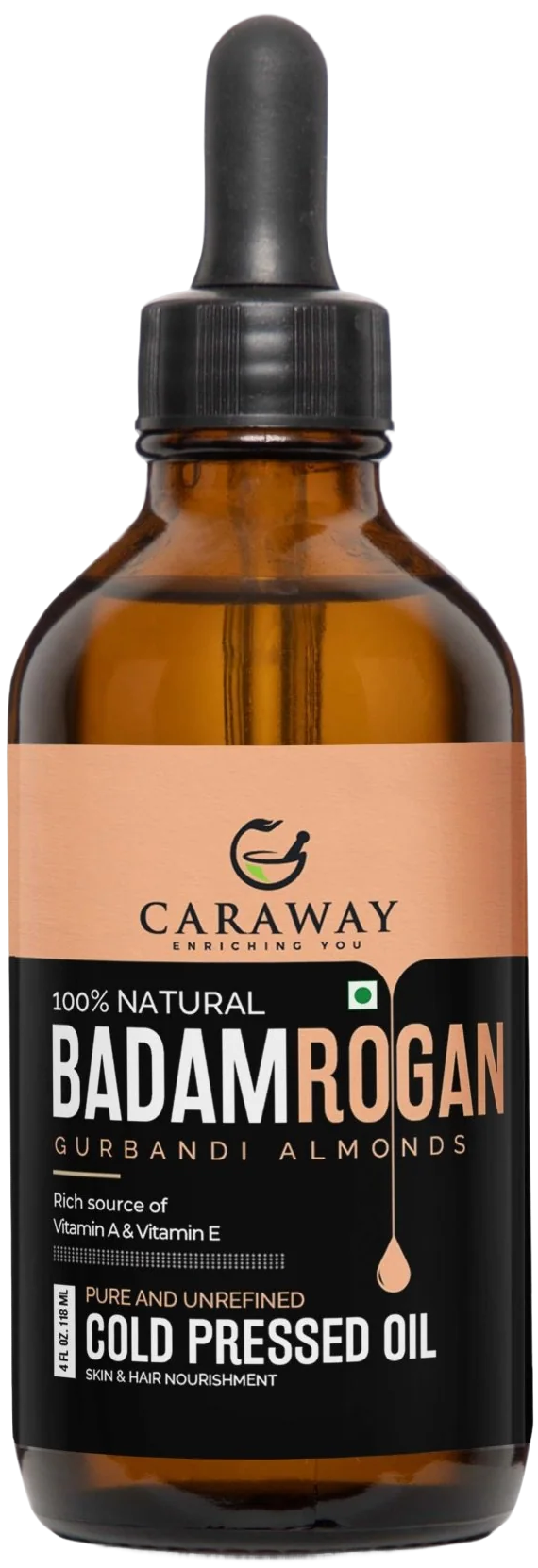
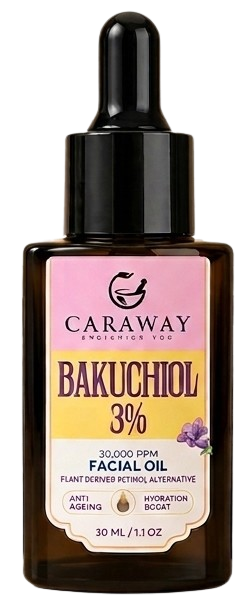
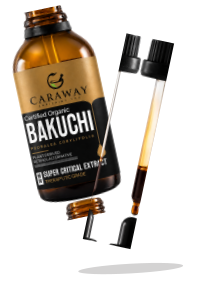
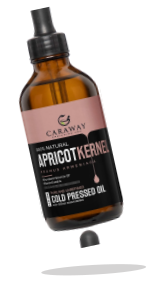
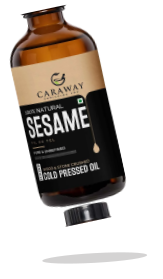
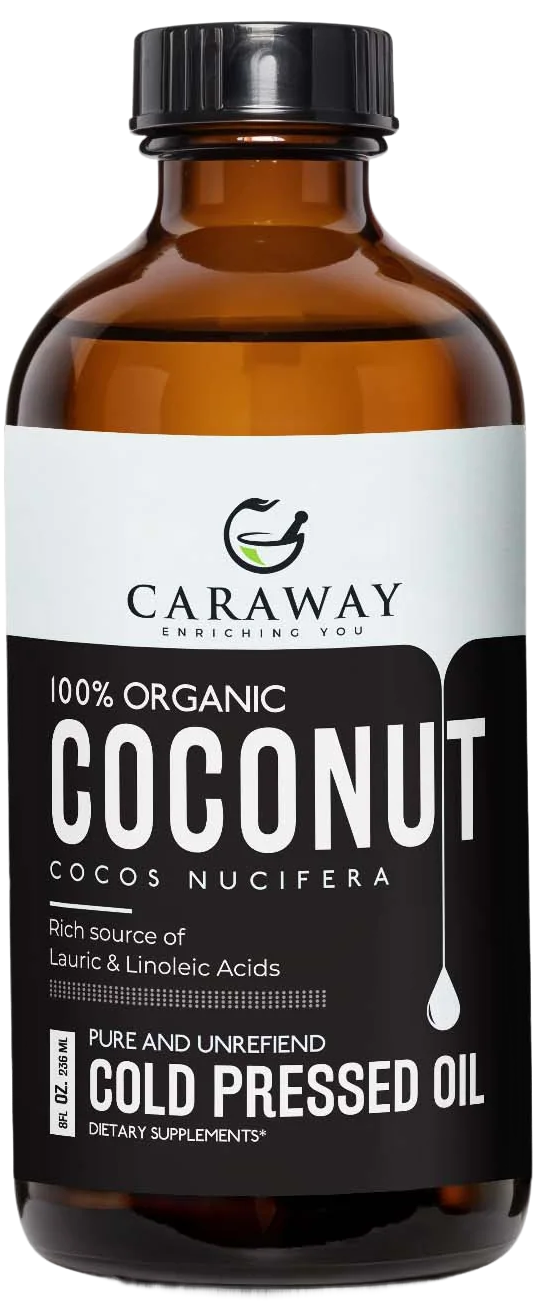
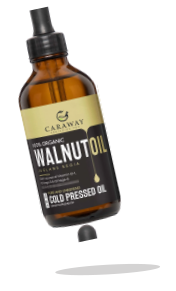
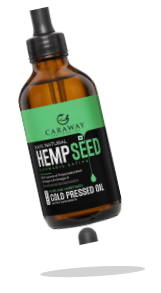
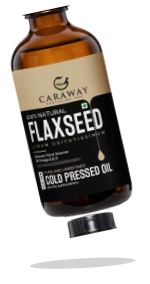
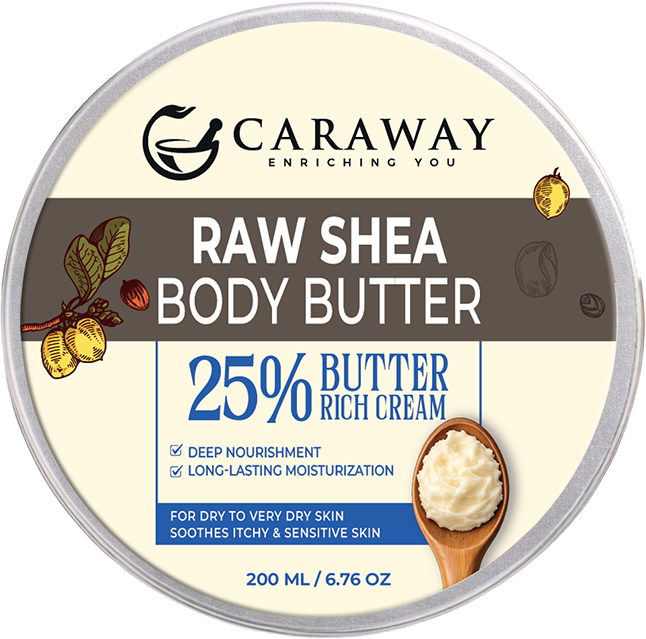
Natural oils have become an important part of modern wellness, skincare, haircare, and healthy cooking routines. From coconut oil and sesame oil to black seed oil and walnut oil, people are increasingly choosing natural oils over heavily processed alternatives.
But with so many options available online and in stores, buying the right natural oil can become confusing. Many products claim to be “pure,” “organic,” or “cold pressed,” yet not all oils offer the same quality or benefits.
Understanding what to check before buying natural oils can help you choose better products for your health, skin, hair, and daily lifestyle.
1. Check Whether the Oil is Cold Pressed
One of the first things to check is whether the oil is cold pressed.
Cold pressed oils are extracted without excessive heat or harmful chemicals. This process helps preserve natural nutrients, antioxidants, aroma, and essential fatty acids present in the seeds or nuts.
Highly refined oils often lose their nutritional value during processing. They may also contain additives or chemical residues.
When buying natural oils, always read the label carefully and look for terms like:
- Cold Pressed
- Wood Pressed
- Virgin
- Unrefined
- Chemical Free
These oils are generally considered more natural and nutrient-rich.
2. Read the Ingredient List Carefully
A genuine natural oil should contain only one ingredient.
For example:
- Pure Coconut Oil
- 100% Black Seed Oil
- Pure Castor Oil
If the ingredient list contains artificial fragrance, mineral oil, preservatives, or synthetic additives, the product may not be completely natural.
Many low-quality oils are diluted with cheaper carrier oils to reduce cost. This affects both purity and effectiveness.
Always choose oils with transparent labeling and clear ingredient information.
3. Look for Packaging Quality
Packaging plays an important role in maintaining oil quality.
Natural oils are sensitive to heat, sunlight, and air exposure. Poor packaging can reduce freshness and nutrient content.
Dark glass bottles or food-grade containers are usually better because they protect the oil from oxidation.
Avoid products sold in damaged, transparent, or low-quality plastic packaging for long-term use.
Good packaging often indicates that the brand values product quality and freshness.
4. Verify the Source of Ingredients
The quality of natural oil depends heavily on the quality of seeds, nuts, or herbs used during extraction.
Before purchasing, check whether the brand mentions:
- Source of ingredients
- Farming practices
- Extraction methods
- Purity standards
Trusted brands usually provide clear information about where their raw materials come from.
Transparency builds confidence and helps customers identify authentic products.
5. Check the Aroma and Texture
Pure natural oils usually have a mild, natural aroma specific to their source.
For example:
- Sesame oil has a nutty smell
- Coconut oil has a fresh coconut aroma
- Black seed oil has a slightly strong herbal scent
If the oil smells overly artificial or has no aroma at all, it may be highly refined or mixed with additives.
Texture is also important. Natural oils should feel smooth and consistent without unusual stickiness or chemical odor.
6. Understand the Purpose of the Oil
Different oils serve different purposes.
Some oils are ideal for cooking, while others are mainly used for skincare or haircare.
Examples:
Before purchasing, identify your primary need so you can select the most suitable oil.
7. Check Manufacturing and Expiry Dates
Freshness matters when buying natural oils.
Old oils can lose nutrients and develop rancidity over time.
Always check:
- Manufacturing date
- Expiry date
- Shelf life
- Storage instructions
Freshly extracted oils usually provide better aroma, texture, and effectiveness.
Proper storage after purchase also helps maintain quality for a longer period.
8. Read Customer Reviews and Brand Reputation
Customer reviews can provide practical insights into product quality and user experience.
Check for feedback related to:
- Purity
- Packaging
- Aroma
- Texture
- Authenticity
- Results after usage
A trusted brand with consistent positive reviews is generally a safer choice than unknown products with little transparency.
Reliable brands also focus on customer education and ingredient awareness.
9. Compare Price with Quality
Extremely cheap natural oils should be approached carefully.
High-quality cold pressed oils require proper sourcing, extraction, filtration, and packaging. Genuine oils cannot always be sold at unrealistically low prices.
Instead of choosing based only on cost, focus on:
- Purity
- Extraction process
- Ingredient quality
- Packaging
- Brand trust
Good-quality oils often provide better long-term value.
10. Look for Chemical-Free Processing
Some oils are processed using solvents, bleaching agents, or artificial preservatives.
Natural oils should ideally be free from:
- Hexane extraction
- Artificial fragrance
- Mineral oils
- Synthetic colors
- Harsh chemicals
Chemical-free oils are generally preferred for both wellness and cosmetic applications.
Always choose brands that prioritize clean and minimal processing methods.
Choosing the right natural oil requires more than simply reading the front label. Understanding extraction methods, ingredient purity, packaging quality, freshness, and brand transparency can help you make better and healthier decisions.
As awareness about wellness and clean living continues to grow, consumers are increasingly looking for authentic, cold pressed, and chemical-free oils for their everyday routines.
If you are searching for naturally processed oils made with a focus on purity and quality, Caraway offers a wide range of cold pressed and natural oils crafted for wellness, skincare, haircare, and healthy living.