You Might Be Oiling Your Hair Wrong Without Realizing It
For generations, hair oiling has been considered one of the most important hair care rituals. From weekend champis to overnight oil treatments, many of us grew up believing that more oil automatically means healthier hair.
But what if some of your hair problems are actually being caused by the way you’re oiling your hair?
Surprisingly, many people follow hair oiling habits that do more harm than good. Excessive oiling, incorrect application methods, poor-quality oils, and unrealistic expectations can all contribute to issues such as hair breakage, scalp irritation, dandruff, and even increased hair fall.
The truth is that hair oiling is beneficial only when done correctly.
Let’s explore the most common hair oiling mistakes that could be damaging your hair and learn how to avoid them.
Mistake #1: Applying Too Much Oil
One of the biggest misconceptions in hair care is that more oil means more nourishment.
In reality, excessive oil does not provide extra benefits.
When the scalp is overloaded with oil:
- Hair attracts more dust and dirt
- Washing becomes difficult
- Shampooing may need to be more aggressive
- Product buildup increases
Many people apply large amounts of oil believing it will deeply nourish the scalp, but the scalp can only absorb a limited amount.
The Better Approach
Use enough oil to lightly coat the scalp and hair strands. A small amount applied properly is often more effective than soaking the hair completely.
Mistake #2: Leaving Oil on the Scalp for Days
Many people believe keeping oil on the scalp for two or three days will strengthen hair.
This is one of the most common mistakes.
When oil remains on the scalp for extended periods:
- Dust sticks to the scalp
- Sweat mixes with oil
- Scalp buildup increases
- Hair follicles may become clogged
An unhealthy scalp environment can affect overall hair health.
The Better Approach
Leave oil on for a few hours or overnight, then wash it with a gentle shampoo.
Mistake #3: Using Poor-Quality or Mineral Oil-Based Products
Not every bottle labeled “hair oil” contains pure natural oils.
Many commercial hair oils contain:
- Mineral oil
- Artificial fragrance
- Synthetic colors
- Preservatives
- Silicone-based ingredients
These ingredients may create temporary shine but often provide little nutritional value.
The Better Approach
Choose cold pressed, natural oils with transparent ingredient lists and minimal processing.
Mistake #4: Applying Essential Oils Directly to the Scalp
Essential oils such as rosemary oil, peppermint oil, and tea tree oil are highly concentrated.
Applying them directly can sometimes lead to:
- Scalp irritation
- Redness
- Sensitivity
- Dryness
The Better Approach
Always dilute essential oils with carrier oils such as:
- Coconut Oil
- Jojoba Oil
- Almond Oil
- Sesame Oil
This helps make them safer and more comfortable to use.
Mistake #5: Aggressive Scalp Massage
A scalp massage should feel relaxing—not painful.
Some people believe harder pressure stimulates hair growth more effectively.
Unfortunately, aggressive rubbing may:
- Cause unnecessary friction
- Weaken hair roots
- Irritate the scalp
- Increase hair breakage
The Better Approach
Use gentle circular motions with your fingertips for 5–10 minutes.
Think of scalp massage as stimulation, not scrubbing.
Mistake #6: Oiling Extremely Dirty Hair
Applying oil to hair that already contains sweat, dust, styling products, and pollution can trap impurities against the scalp.
This may contribute to:
- Product buildup
- Scalp discomfort
- Greasy appearance
The Better Approach
Apply oil when your scalp is reasonably clean and free from excessive buildup.
Mistake #7: Choosing the Wrong Oil for Your Hair Type
Not every oil suits every person.
A heavy oil that works beautifully for thick curly hair may overwhelm fine hair.
Common Examples
Fine Hair
Better choices:
Thick or Dry Hair
Better choices:
- Coconut Oil
- Castor Oil
- Sesame Oil
Using the wrong oil may leave hair feeling greasy, heavy, or difficult to manage.
Mistake #8: Expecting Hair Oils to Fix Every Hair Problem
Hair oils can support healthier hair, but they are not miracle treatments.
Many people expect oils to solve:
- Hormonal hair loss
- Nutritional deficiencies
- Medical scalp conditions
- Stress-related hair fall
Hair health depends on many factors beyond oiling.
Hair Growth Also Requires
- Adequate protein intake
- Iron and vitamin levels
- Good sleep
- Stress management
- Proper scalp care
Oil should be viewed as one part of a complete hair care routine.
Mistake #9: Washing Hair Too Aggressively After Oiling
After applying oil, some people use excessive shampoo or wash their hair multiple times.
This can strip away natural moisture and leave hair feeling rough.
The Better Approach
Use a mild shampoo and wash only as much as necessary to remove excess oil.
Your goal is a clean scalp not squeaky-dry hair.
Mistake #10: Following Social Media Hair Hacks Blindly
The rise of social media has introduced countless DIY hair oil recipes and overnight treatments.
While some can be helpful, others lack scientific support and may not suit your scalp or hair type.
Popular trends often ignore factors such as:
- Hair texture
- Scalp sensitivity
- Individual hair concerns
The Better Approach
Focus on proven hair care practices rather than chasing every viral trend.
What Does Healthy Hair Oiling Actually Look Like?
A healthy oiling routine is surprisingly simple:
Step 1
Choose a high-quality cold pressed oil.
Step 2
Apply a moderate amount to the scalp and hair lengths.
Step 3
Massage gently for 5–10 minutes.
Step 4
Leave for a few hours or overnight.
Step 5
Wash with a mild shampoo.
Consistency matters more than quantity.
The Best Oils for Safe Hair Oiling
Some of the most commonly used oils for healthy hair care include:
Coconut Oil
Supports hair strength and moisture retention.
Almond Oil
Helps improve softness and shine.
Jojoba Oil
Ideal for lightweight scalp care.
Sesame Oil
Popular in traditional Ayurvedic massage.
Black Seed Oil
Supports scalp nourishment.
Argan Oil
Helps manage frizz and dryness.
Choosing pure, minimally processed oils often delivers better long-term results than heavily formulated products.
Hair oiling can be one of the most effective and affordable ways to support healthy hair, but only when done correctly. Many common habits—such as over-oiling, leaving oil on the scalp for too long, using poor-quality products, or following social media myths—can actually work against your hair goals.
Instead of focusing on how much oil you use, focus on choosing the right oil, applying it correctly, and maintaining a consistent hair care routine. Small improvements in your oiling habits can lead to healthier-looking, stronger, and more manageable hair over time.
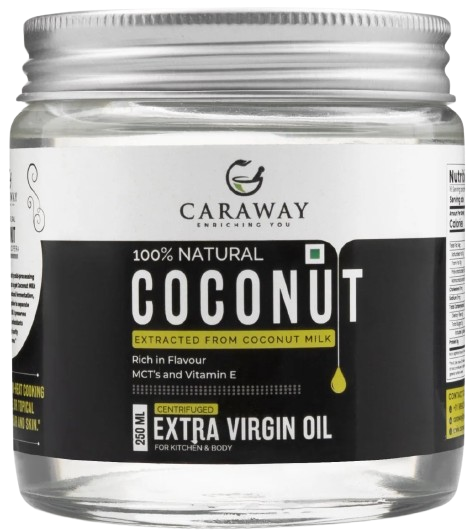
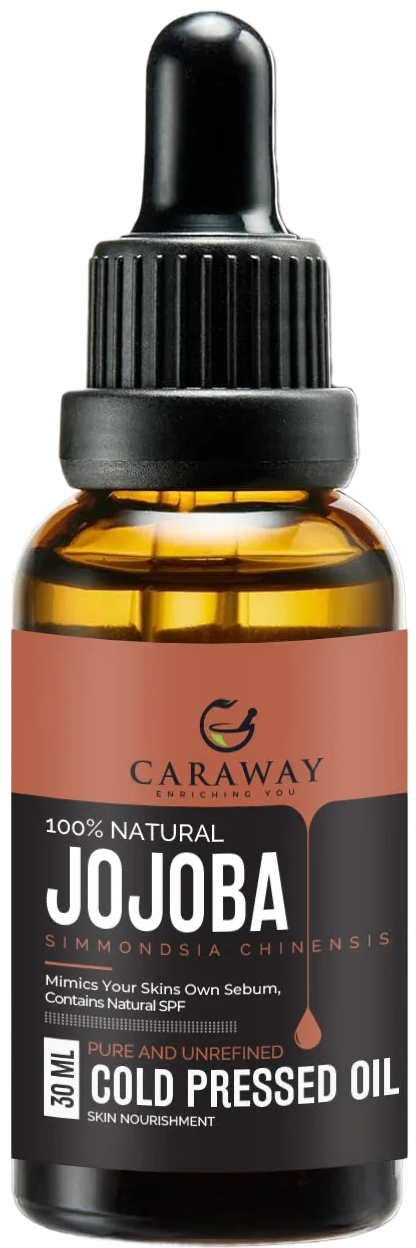
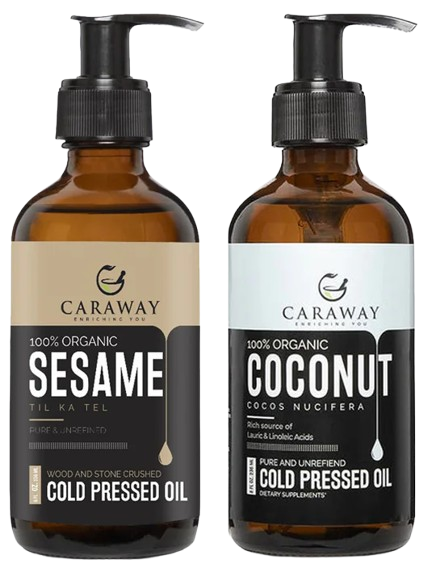
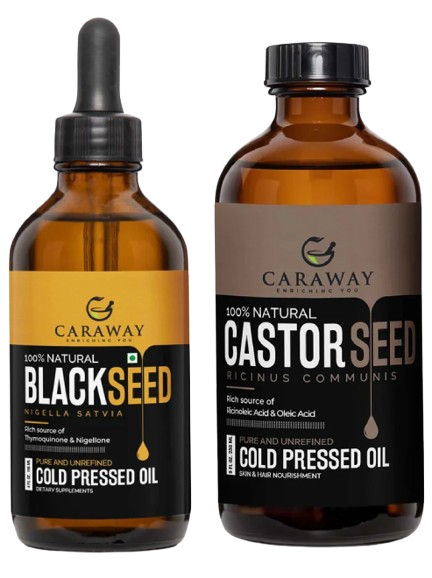
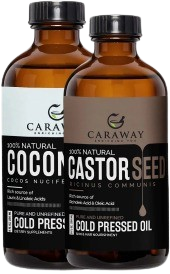
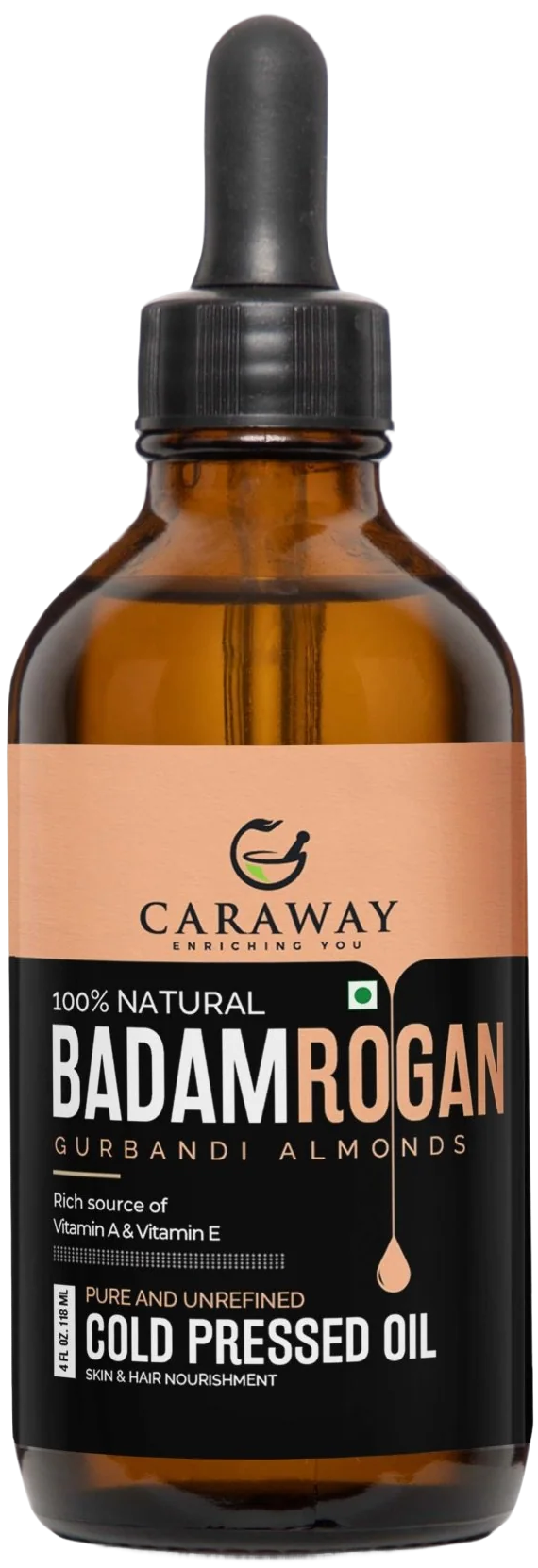
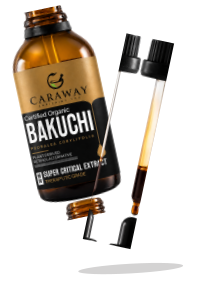
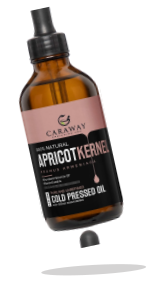
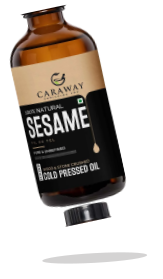
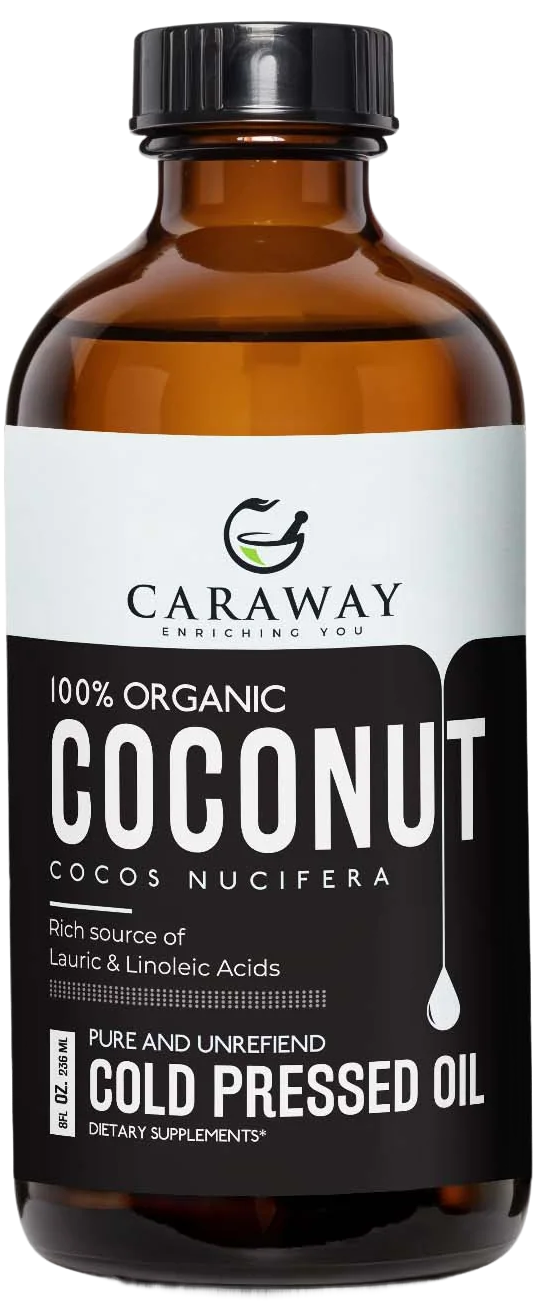
If you’re looking for premium-quality cold pressed oils crafted for hair nourishment, scalp care, and everyday wellness, Caraway offers a carefully curated collection of natural oils designed to support healthy hair and natural beauty routines.