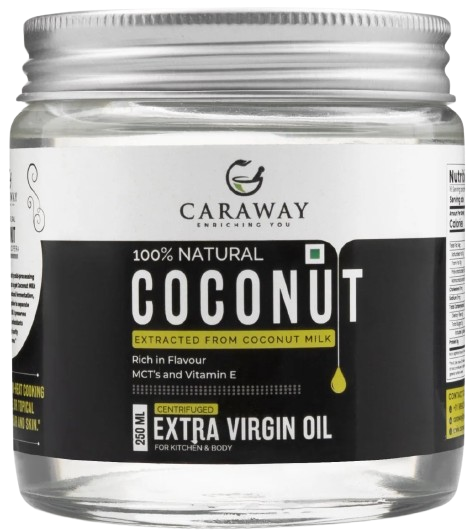
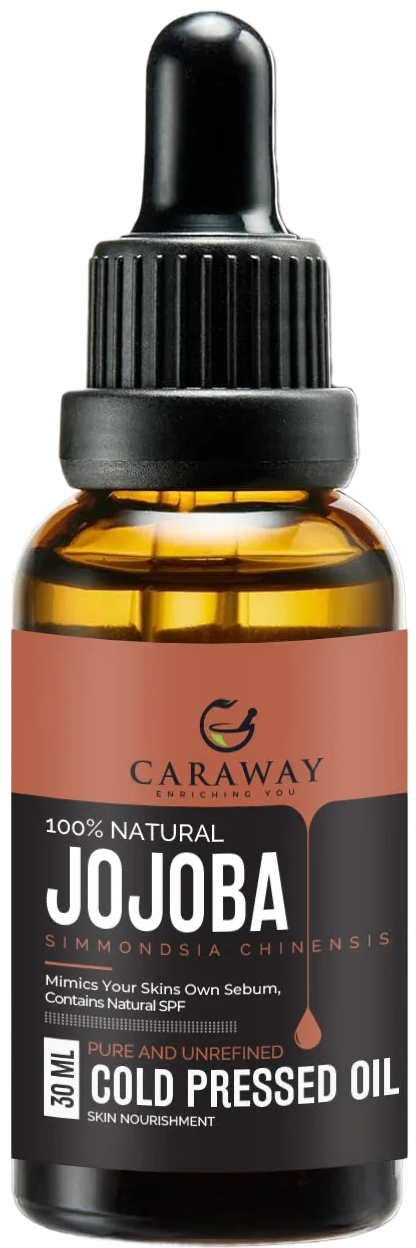
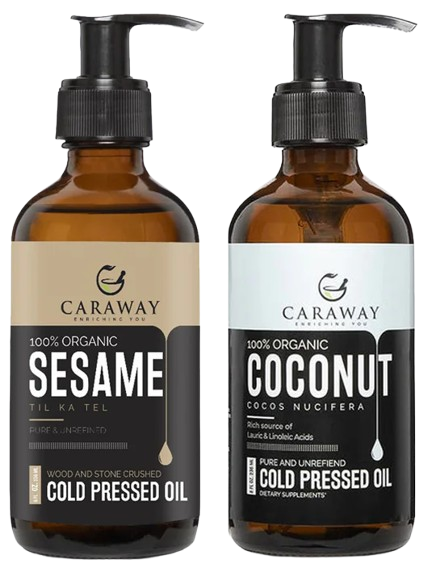
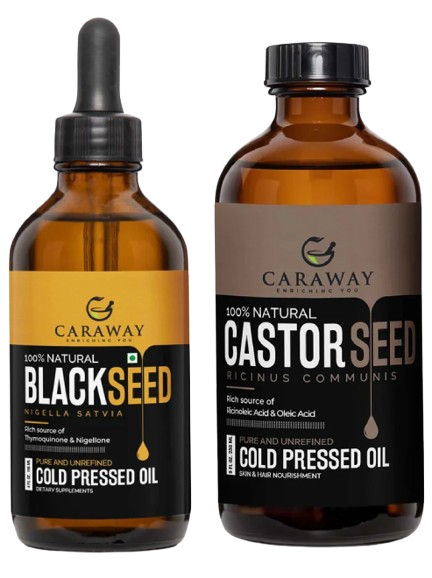
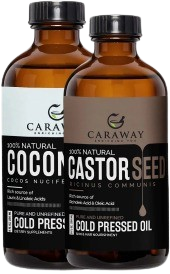
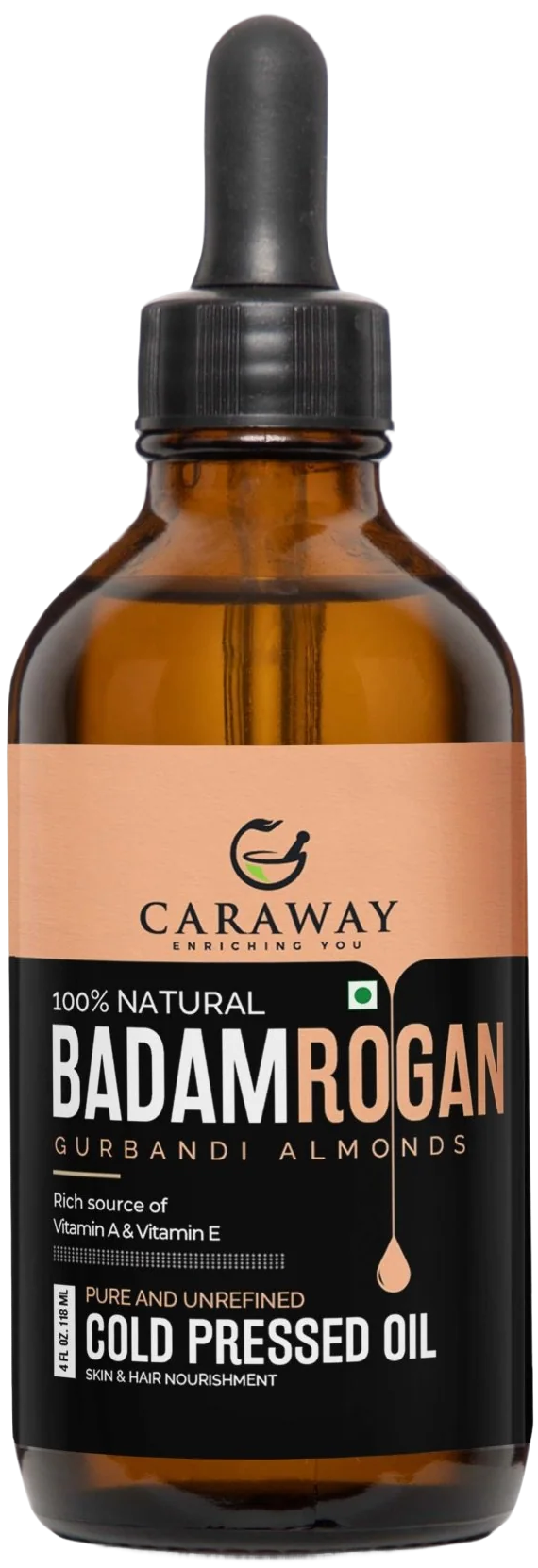
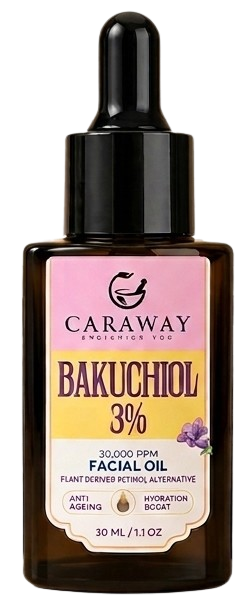
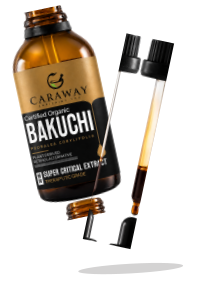
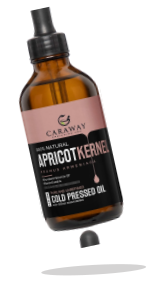
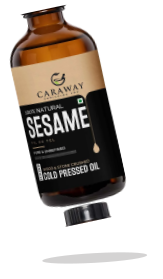
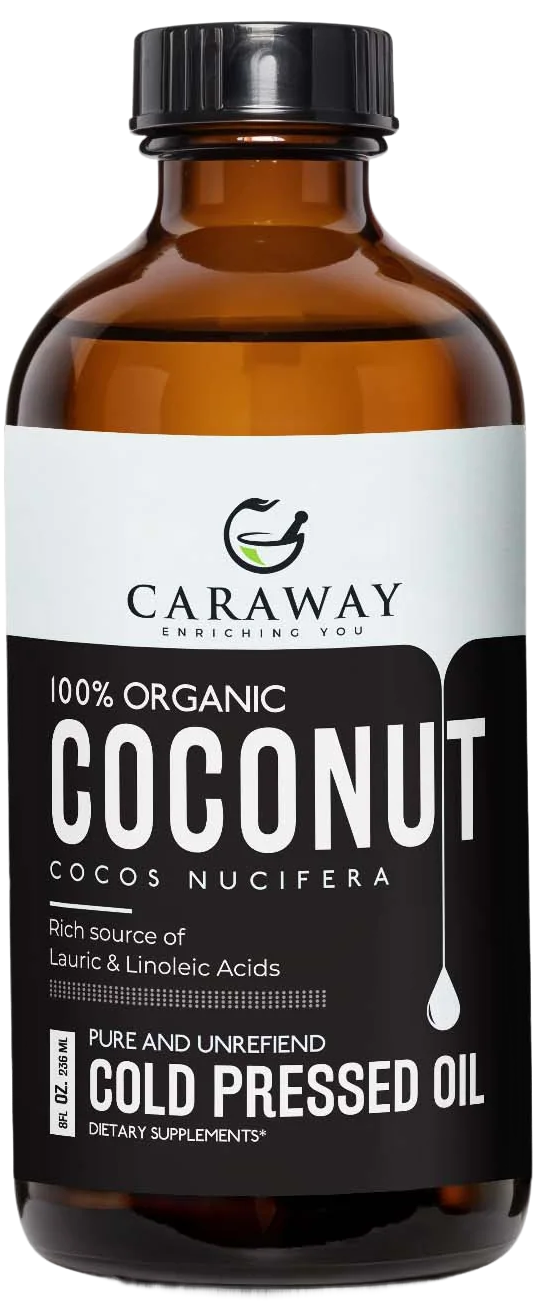
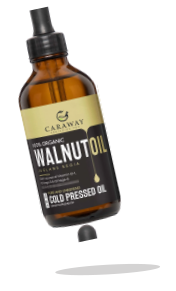
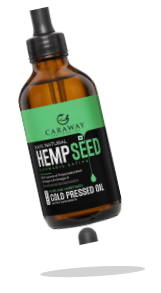
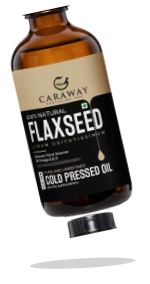
Natural oils are widely used for cooking, skincare, haircare, wellness, and therapeutic purposes. As the demand for cold-pressed and chemical-free oils continues to grow, the market has also seen an increase in adulterated and counterfeit oil products.
Many brands label their products as “pure,” “organic,” or “natural,” even when the oil contains artificial additives, mineral oils, synthetic fragrance, or diluted ingredients. This makes it important for consumers to understand how to identify fake vs pure natural oils before making a purchase.
Knowing the difference can help protect your health, improve product effectiveness, and ensure you receive the real benefits of natural oils.
Why Fake Oils Are Becoming Common
Producing high-quality natural oils requires premium seeds, careful extraction methods, and proper packaging. Because of this, genuine cold pressed oils are often more expensive than heavily refined alternatives.
Some manufacturers mix cheaper oils, synthetic chemicals, or artificial fragrances to reduce production costs while still marketing the product as natural.
Commonly adulterated oils include:
Understanding key quality indicators can help you avoid low-quality or fake products.
1. Check the Ingredient Label Carefully
A pure natural oil usually contains only one ingredient.
For example:
- 100% Pure Coconut Oil
- Pure Black Seed Oil
- Cold Pressed Sesame Oil
If the label includes:
- Mineral oil
- Artificial fragrance
- Preservatives
- Synthetic colors
- Blended oils without disclosure
then the product may not be completely pure.
Always read the back label instead of relying only on front packaging claims.
2. Look for “Cold Pressed” or “Unrefined”
Pure natural oils are commonly extracted using cold pressing or traditional wooden pressing methods.
Cold pressed oils retain:
- Natural nutrients
- Antioxidants
- Essential fatty acids
- Original aroma
- Natural color
Highly refined oils often lose their nutritional value during chemical processing and heat treatment.
Keywords to look for:
- Cold Pressed
- Virgin
- Unrefined
- Wood Pressed
- Chemical Free
These indicators generally suggest better quality and authenticity.
3. Observe the Color of the Oil
Natural oils usually have a mild and natural color based on the original seed or nut.
Examples:
- Coconut oil appears clear or white when solidified
- Sesame oil has a golden hue
- Black seed oil appears dark brown or black
- Walnut oil shows a light amber color
Very bright, overly transparent, or unnaturally colored oils may indicate excessive refining or additives.
However, slight color variations are normal in pure oils because natural products are not always identical.
4. Smell the Aroma
Pure oils have a natural aroma that reflects their source ingredients.
Examples:
- Pure coconut oil smells fresh and mild
- Black seed oil has a strong herbal aroma
- Sesame oil has a nutty scent
Fake or diluted oils may:
- Smell artificially perfumed
- Have no aroma at all
- Carry a chemical-like odor
A strong synthetic fragrance is often used to imitate purity in low-quality products.
5. Check the Texture and Consistency
Natural oils generally feel smooth, balanced, and lightweight depending on the oil type.
Fake oils may feel:
- Extremely greasy
- Sticky
- Artificially thin
- Heavy with residue
Pure oils absorb more naturally into the skin and hair without leaving an unusual chemical coating.
Consistency may also change slightly depending on temperature, especially in coconut oil and castor oil.
6. Examine the Packaging
High-quality oil brands usually invest in safe packaging to preserve freshness and purity.
Pure oils are often stored in:
- Dark glass bottles
- Food-grade containers
- Airtight packaging
Poor-quality oils may come in low-grade plastic bottles that expose the oil to heat and sunlight.
Good packaging helps protect oils from oxidation and nutrient loss.
7. Check for Sediment or Natural Particles
Some pure cold pressed oils may contain slight natural sediment because they are minimally processed.
This is often a positive sign of authenticity.
Overly filtered oils with perfectly artificial clarity may sometimes be heavily refined.
However, excessive cloudiness or unusual particles may also indicate spoilage, so balance and freshness matter.
8. Compare the Price Carefully
Extremely cheap oils are often a warning sign.
Producing genuine cold pressed oils involves:
- High-quality raw materials
- Traditional extraction methods
- Careful filtration
- Quality packaging
If a product is priced far below the market average, it may be diluted or refined with cheaper substitutes.
Choosing quality over low price usually provides better long-term value.
9. Research the Brand Reputation
Trusted brands are usually transparent about:
- Ingredient sourcing
- Manufacturing process
- Purity standards
- Extraction methods
Customer reviews can also reveal real experiences related to quality and authenticity.
Before buying, check:
- Product reviews
- Brand transparency
- Website information
- Certifications if available
Reliable brands focus on educating consumers instead of using misleading marketing claims.
10. Test Small Quantity First
If you are trying a new oil brand for the first time, start with a smaller quantity.
This helps you evaluate:
- Aroma
- Texture
- Skin compatibility
- Freshness
- Overall quality
A trial purchase reduces the risk of wasting money on fake or unsuitable products.
Common Signs of Fake Natural Oils
Here are some quick warning signs that may indicate low-quality or fake oils:
- Extremely cheap pricing
- Strong artificial perfume smell
- No ingredient transparency
- Very watery consistency
- Bright artificial color
- Misleading packaging claims
- Lack of manufacturing details
Being aware of these signs can help you make safer and smarter purchases.
Identifying fake vs pure natural oils is becoming increasingly important as more consumers move toward healthier and cleaner lifestyles. Genuine oils offer better nutritional value, improved skincare benefits, and higher overall effectiveness when compared to heavily refined or adulterated alternatives.
Before buying any oil, always focus on purity, extraction method, ingredient transparency, packaging quality, and brand reputation. A little research can help you avoid fake products and choose oils that truly support your wellness routine.
If you are looking for carefully crafted cold pressed and natural oils made with a focus on quality and authenticity, Caraway offers a wide range of natural oils designed for healthy living, skincare, haircare, and everyday wellness.