The Oil You Choose Matters More Than You Think
Most people spend time comparing skincare products, hair care products, and food ingredients, but very few pay attention to one important detail: how their oil is made.
Walk into any store and you’ll find dozens of oils claiming to be pure, natural, healthy, or premium. Yet two bottles made from the same seed can be completely different depending on how they were processed.
This is where the debate between cold pressed oils and refined oils begins.
Understanding the difference can help you make more informed choices for cooking, skincare, hair care, and overall wellness.
Let’s break down what these oils are, how they are produced, and which option may be better for different uses.
What Are Cold Pressed Oils?
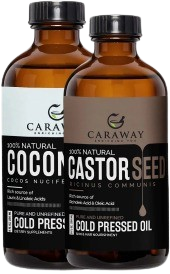
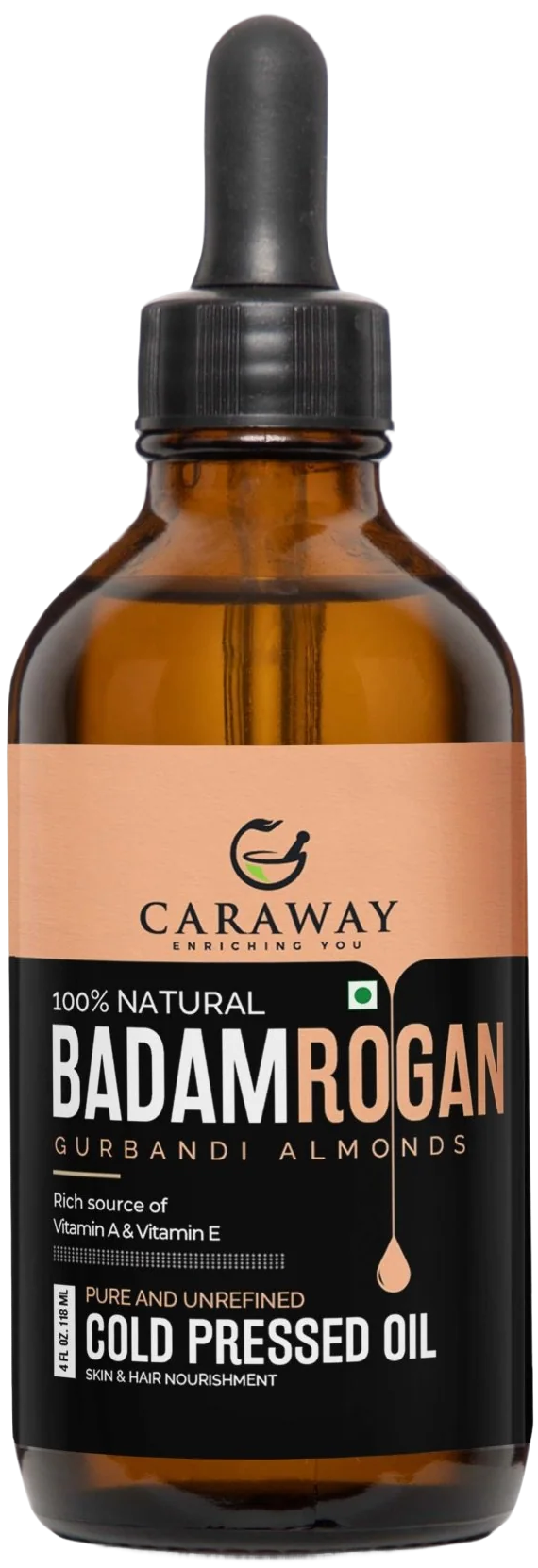
Cold pressed oils are extracted from seeds, nuts, fruits, or kernels using mechanical pressure with minimal heat.
The goal of cold pressing is simple:
Extract the oil while preserving as much of its natural character as possible.
Common cold pressed oils include:
Because the extraction process is gentler, the oil retains much of its original aroma, texture, color, and naturally occurring compounds.
What Are Refined Oils?
Refined oils go through additional processing after extraction.
These processes may include:
- High heat treatment
- Filtration
- Bleaching
- Deodorization
- Chemical refining
The purpose of refining is to create an oil that has:
- A neutral flavor
- Uniform appearance
- Longer shelf stability
- Consistent texture
Refining can make oils more commercially versatile, but it also changes some of their natural characteristics.
The Biggest Difference: Processing Method
The primary distinction between cold pressed and refined oils lies in how they are processed.
Cold Pressed Oils
- Minimal processing
- Low-temperature extraction
- Retain natural aroma
- Preserve original characteristics
Refined Oils
- Multiple processing stages
- Exposure to higher temperatures
- Neutral taste and smell
- Modified appearance
The more an oil is processed, the further it moves away from its original state.
Cold Pressed Oils: What Makes Them Popular?
Over the last decade, consumer demand for minimally processed products has grown significantly.
People increasingly want products that feel closer to nature and contain fewer unnecessary alterations.
Cold pressed oils fit perfectly into this trend.
Benefit #1: Retains Natural Aroma
One of the easiest ways to recognize a cold pressed oil is its smell.
For example:
- Cold pressed coconut oil retains a natural coconut aroma.
- Cold pressed sesame oil maintains its distinctive nutty scent.
- Cold pressed almond oil often carries a subtle natural fragrance.
These aromas come directly from the original source material.
Refined oils, on the other hand, are often deodorized to remove strong odors.
Benefit #2: Preserves Original Characteristics
Cold pressing helps maintain:
- Natural color
- Texture
- Flavor profile
- Original composition
Many consumers prefer this authenticity because it reflects the oil’s natural origin.
Benefit #3: Popular for Hair and Skin Care
Cold pressed oils are widely used in personal care because of their minimally processed nature.
Popular choices include:
Coconut Oil
Used for hair nourishment and moisturization.
Almond Oil
Common in facial and body care.
Jojoba Oil
Popular for lightweight skincare.
Black Seed Oil
Used in traditional beauty routines.
Many people prefer cold pressed oils for topical use because they retain their natural properties.
Benefit #4: Ingredient Transparency
Consumers today read labels more carefully than ever.
Cold pressed oils often appeal to buyers looking for:
- Simpler ingredients
- Fewer additives
- Traditional processing methods
- Natural product options
This aligns with the growing clean beauty and wellness movement.
Why Are Refined Oils Still Popular?
If cold pressed oils are so popular, why do refined oils continue to dominate many markets?
The answer lies in practicality.
Advantage #1: Consistency
Refined oils offer:
- Uniform appearance
- Consistent flavor
- Standardized texture
This consistency is often preferred in large-scale manufacturing.
Advantage #2: Neutral Taste
Many refined oils have little or no natural flavor.
This makes them suitable for applications where a strong taste is not desired.
Advantage #3: Longer Shelf Stability
Additional processing can improve storage stability and help maintain product consistency over time.
This is one reason refined oils are commonly used in mass-produced products.
Cold Pressed Oils vs Refined Oils: Side-by-Side Comparison
| Feature | Cold Pressed Oils | Refined Oils |
|---|---|---|
| Processing | Minimal | Extensive |
| Heat Exposure | Low | Higher |
| Aroma | Natural | Usually Neutral |
| Flavor | Original Taste | Reduced Flavor |
| Color | Natural | More Uniform |
| Texture | Authentic | Standardized |
| Personal Care Use | Highly Popular | Less Preferred |
| Ingredient Transparency | Often Higher | Varies by Brand |
Which Oils Are Commonly Available in Cold Pressed Form?
Many popular oils are now available as cold pressed varieties.
These include:
- Coconut Oil
- Sesame Oil
- Almond Oil
- Walnut Oil
- Black Seed Oil
- Castor Oil
- Grapeseed Oil
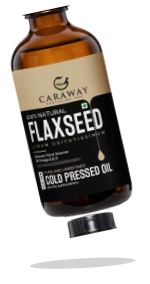
- Flaxseed Oil
- Hemp Seed Oil
- Jojoba Oil
- Rosehip Oil
- Tamanu Oil
Consumers increasingly choose cold pressed versions because of their minimal processing.
How to Identify Genuine Cold Pressed Oils
As demand grows, marketing claims have become more common.
Before purchasing, check for:
Clear Labeling
Look for terms such as:
- Cold Pressed
- Wood Pressed
- Unrefined
- Virgin (where applicable)
Ingredient List
The best oils often contain:
- One ingredient
- No artificial fragrance
- No mineral oil
- No synthetic fillers
Packaging
Quality oils are often packaged in:
- Dark glass bottles
- UV-protected containers
- Airtight packaging
Brand Transparency
Reliable brands usually provide information about sourcing and extraction methods.
Which Oil Should You Choose?
The right choice depends on how you plan to use it.
For Hair Care
Many people prefer cold pressed oils because they retain their natural characteristics.
For Skin Care
Cold pressed oils are commonly chosen for their minimally processed nature.
For Traditional Wellness Practices
Cold pressed oils are often preferred because they align with traditional extraction methods.
For Neutral Flavor Applications
Some consumers may prefer refined oils depending on the intended use.
The Growing Shift Toward Cold Pressed Oils
Modern consumers are increasingly seeking products that are:
- Less processed
- Naturally sourced
- Transparent
- Authentic
- Multipurpose
This shift explains why cold pressed oils have become a major category in wellness, beauty, and natural living.
People want to know not only what ingredients they are using but also how those ingredients are produced.
The difference between cold pressed oils and refined oils comes down to processing, transparency, and personal preference. Cold pressed oils are valued for their minimal processing, natural aroma, authentic characteristics, and popularity in hair care, skincare, and wellness routines. Refined oils, meanwhile, are appreciated for their consistency, neutral profile, and widespread commercial use.
As consumers become more ingredient-conscious, cold pressed oils continue to gain popularity among those looking for products that remain closer to their natural form.
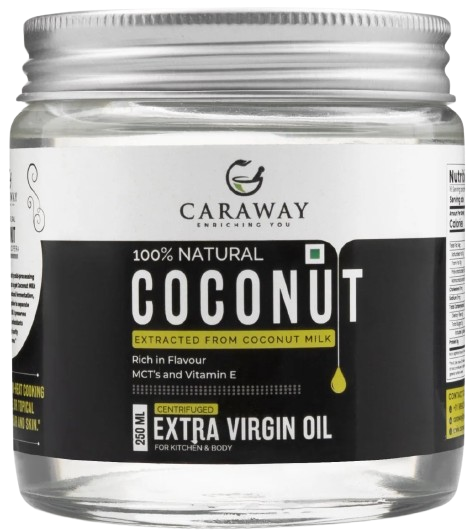
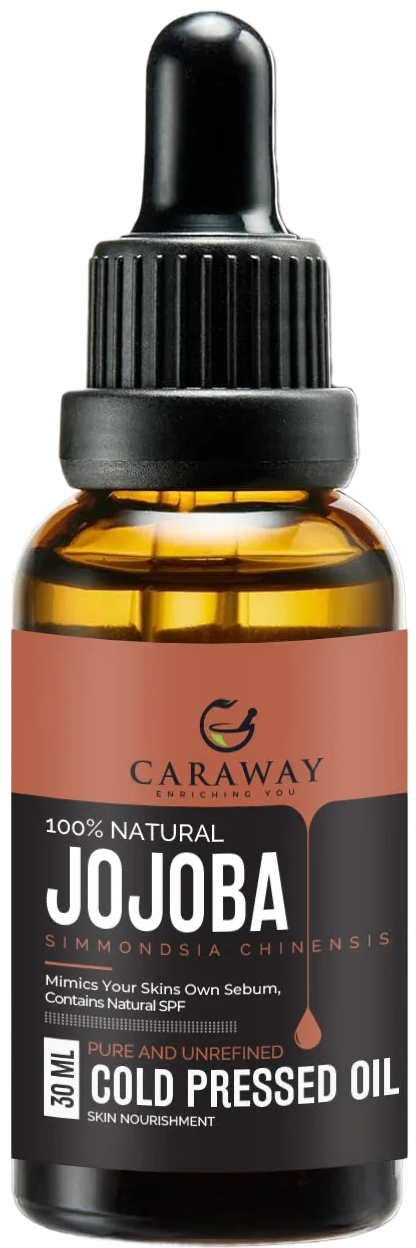
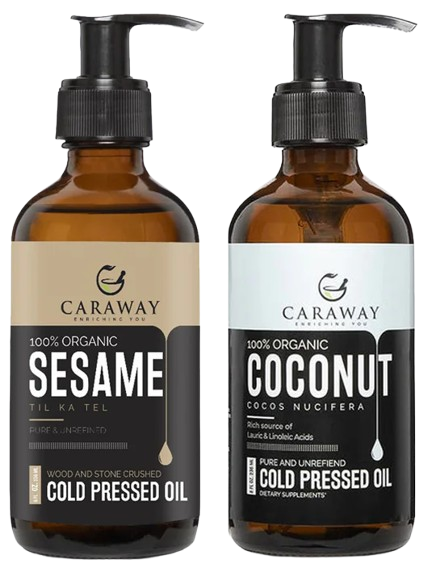
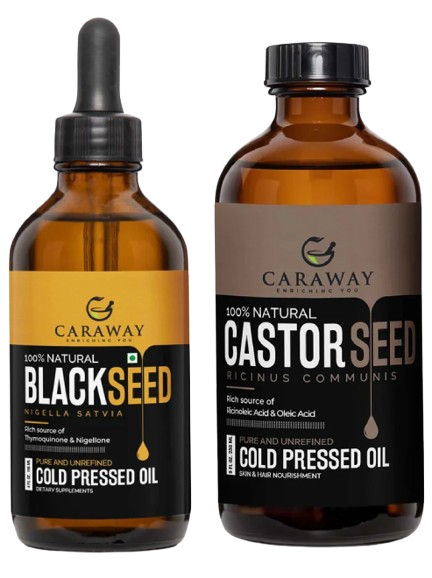
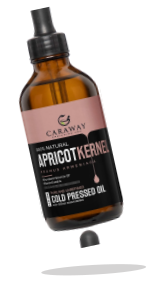
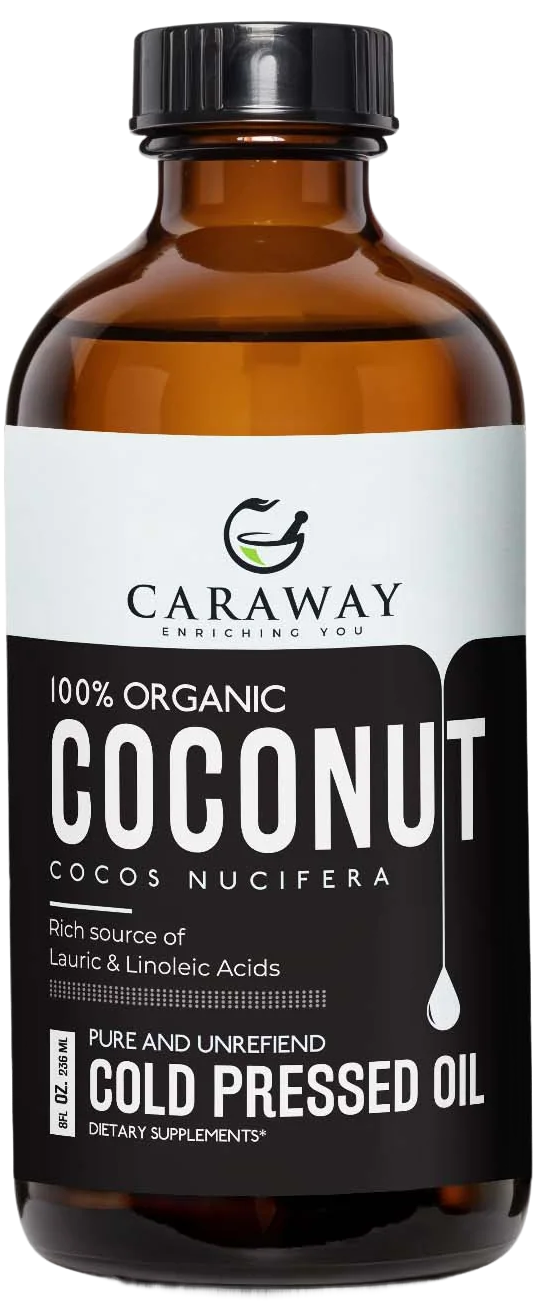
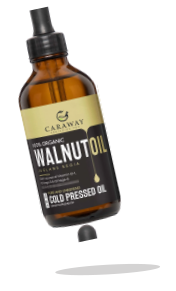
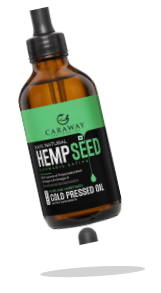
If you’re searching for premium-quality cold pressed oils crafted with purity and quality in mind, Caraway offers a thoughtfully curated collection of natural oils including coconut oil, black seed oil, almond oil, sesame oil, walnut oil, jojoba oil, tamanu oil, rosehip oil, and many more. Designed for modern wellness, skincare, and hair care needs, Caraway brings the benefits of carefully sourced cold pressed oils into everyday life.